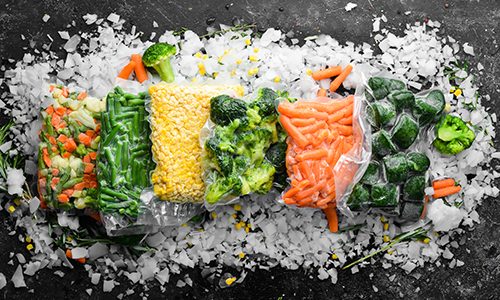
Are frozen vegetables any worse than fresh?

separateur
legumes_surgeles

Are frozen vegetables less good than fresh ones?

You are returning from a long day of work  And you don't feel like preparing vegetables? 


Then think about frozen vegetables !

We often tend to think that frozen vegetables are nutritionally inferior to fresh ones. Quite the opposite…


  • The nutritional value of frozen vegetables

Contrary to what one might think, frozen vegetables provide as many, if not more, vitamins and minerals as fresh vegetables. Indeed, vitamins are fragile and are partly destroyed by light and by storage in open air. This is why fresh vegetables can lose a large part of them depending on the storage time, from harvest to sale, then in the refrigerator's vegetable drawer!


Freezing is the conservation method that best preserves the nutritional and taste qualities of vegetables because they are processed quickly: harvested, peeled, washed, and frozen on-site at very low temperatures (-40°C). This industrial process therefore minimizes vitamin and mineral loss as much as possible. Thus, a frozen vegetable can provide more vitamins and minerals than a fresh vegetable that has spent several days on a supermarket shelf.

  • Which vegetables to choose?

The wide variety of vegetables available year-round will allow you to pleasantly vary your menus.


They can be found in various forms: already peeled, sliced into rounds, julienned, or as puree pucks. They require no tedious preparation and are cooked in less than 15 minutes.


Choose "plain" frozen vegetablesthat is to say, not cooked, in order to avoid any excess salt and fat. Limit gratins, fried vegetables, and vegetable patties. 


How to eat frozen vegetables?

  • Do not break the cold chain (a thawed product should never be refrozen). Use an insulated bag for transport (from the store to your freezer).
  • Follow the cooking time indicated on the packaging.
  • Avoid boiling. Prefer steaming or stewing to limit vitamin and mineral loss.
  • You can use frozen vegetables the same way as fresh vegetables after thawing.
  • Flavor your vegetable dishes with aromatic herbs, seasonings, or aromatics that you can also find in the frozen food aisle.
  • After cooking, you can consume your vegetables in various forms: cold (cauliflower salad, broccoli salad, green bean salad, etc.), hot (whole or pureed), and in soup.

Frozen vegetables Are they worse than fees?

legumes_surgeles_mobile

Are frozen vegetables less good than fresh ones?

You are returning from a long day of work  And you don't feel like preparing vegetables? 


Then think about frozen vegetables !

We often tend to think that frozen vegetables are nutritionally inferior to fresh ones. Quite the opposite…


  • The nutritional value of frozen vegetables

Contrary to what one might think, frozen vegetables provide as many, if not more, vitamins and minerals as fresh vegetables. Indeed, vitamins are fragile and are partly destroyed by light and by storage in open air. This is why fresh vegetables can lose a large part of them depending on the storage time, from harvest to sale, then in the refrigerator's vegetable drawer!


Freezing is the conservation method that best preserves the nutritional and taste qualities of vegetables because they are processed quickly: harvested, peeled, washed, and frozen on-site at very low temperatures (-40°C). This industrial process therefore minimizes vitamin and mineral loss as much as possible. Thus, a frozen vegetable can provide more vitamins and minerals than a fresh vegetable that has spent several days on a supermarket shelf.

  • Which vegetables to choose?

The wide variety of vegetables available year-round will allow you to pleasantly vary your menus.


They can be found in various forms: already peeled, sliced into rounds, julienned, or as puree pucks. They require no tedious preparation and are cooked in less than 15 minutes.


Choose "plain" frozen vegetablesthat is to say, not cooked, in order to avoid any excess salt and fat. Limit gratins, fried vegetables, and vegetable patties. 


How to eat frozen vegetables?

  • Do not break the cold chain (a thawed product should never be refrozen). Use an insulated bag for transport (from the store to your freezer).
  • Follow the cooking time indicated on the packaging.
  • Avoid boiling. Prefer steaming or stewing to limit vitamin and mineral loss.
  • You can use frozen vegetables the same way as fresh vegetables after thawing.
  • Flavor your vegetable dishes with aromatic herbs, seasonings, or aromatics that you can also find in the frozen food aisle.
  • After cooking, you can consume your vegetables in various forms: cold (cauliflower salad, broccoli salad, green bean salad, etc.), hot (whole or pureed), and in soup.

OUR OTHERS TIPS

Who hasn't taken a trip to the harbour, for a fish auction at their vacation destination, or early in the morning to get fish fresh out of the water? Fish, shellfish and crustaceans are the stars of summer dishes.

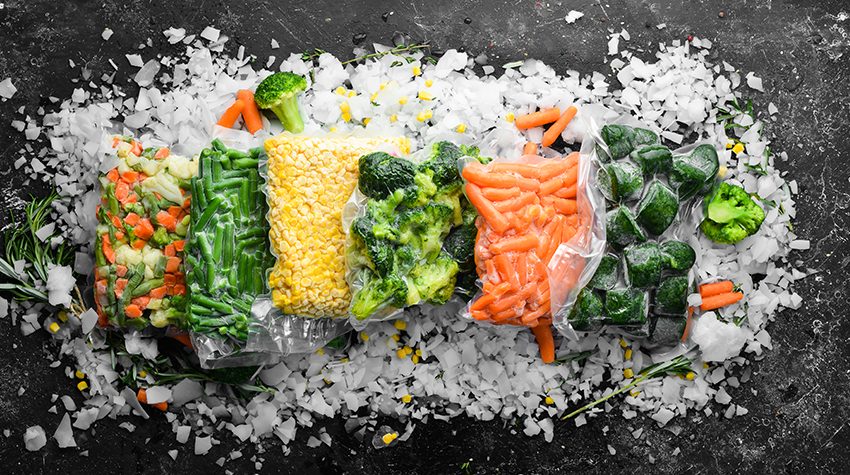
The heat is back! You're now better prepared to face the heat, but do you know why your appetite isn't so good in these conditions? And above all, what precautions should you take with regard to your diet?
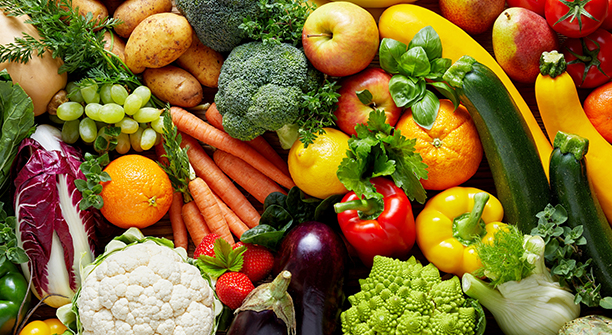
Summer is the perfect time to fill up on vitamins (A, B, C...) and minerals (magnesium, iron, zinc...). They belong to the family of micronutrients, nutrients we need in very small quantities (micrograms or milligrams) but which are nonetheless essential to our health. They must be provided by the diet, and have the advantage of being calorie-free.