Pulses: their nutritional benefits for weight loss

separateur
legume_sec_detail

Contrary to what you might think, pulses, also known as legumes, don't belong to the vegetable family, but to the starch family. Like bread and other cereals (rice, pasta, etc.) and potatoes, they are rich in starch.


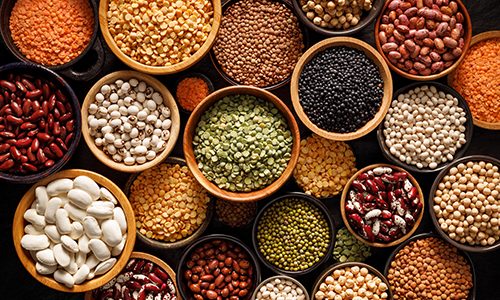
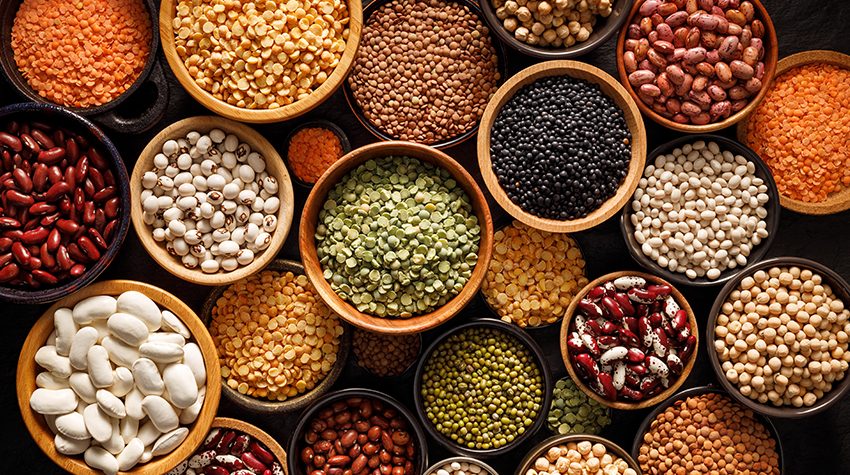
Among the best-known are lentils, dried beans (white, kidney, flageolet and mung), split peas, chickpeas and broad beans.


They're economical, easy to store and have excellent nutritional value. That's why it's so important to include them in your diet, as they have many benefits not only for your health, but also to help you lose weight and keep it off. 


Let's find out why:


1. Rich in complex carbohydratesPulses, like other starchy foods (potatoes, cereals, chestnuts...) are rich in carbohydrates (60 % of starch), giving you the energy you need to get through the day.


2. Low glycemic indexThis means there's no post-meal blood sugar spike, which reduces fat storage.


3. Rich in fibrePulses help :


- Regulate blood sugar levels: their fiber slows the absorption of carbohydrates, so blood sugar levels rise less after a meal.

- Filling you up faster and for longer, limiting snacking between meals.
- Help control cholesterol: thanks to soluble fiber, which captures some of the cholesterol and eliminates it in the stool.  
- Regulate transit and promote digestion: not all fibers can be digested, so our intestines are put to greater use, helping to regulate transit and limit constipation.


4. Rich in vegetable proteinsThey are the mainstay of vegetarian diets, as they are good sources of vegetable protein (20 %).
But to reap the benefits of plant proteins, it's essential to combine pulses with cereals. This combination will provide all the essential amino acids your body needs. Note that only quinoa and soy contain all the essential amino acids.


5. Rich in mineralsPulses are also interesting for their mineral content, including iron, potassium, calcium and phosphorus. They are among the foods richest in magnesium (essential for our bones, muscles and neurons) and are also rich in B vitamins (necessary for muscle and brain function).


Pulses: their nutritional benefits for weight loss

legume_sec_mob

Contrary to what you might think, pulses, also known as legumes, don't belong to the vegetable family, but to the starch family. Like bread and other cereals (rice, pasta, etc.) and potatoes, they are rich in starch.


Among the best-known are lentils, dried beans (white, kidney, flageolet and mung), split peas, chickpeas and broad beans.


They're economical, easy to store and have excellent nutritional value. That's why it's so important to include them in your diet, as they have many benefits not only for your health, but also to help you lose weight and keep it off. 


Let's find out why:


1. Rich in complex carbohydratesPulses, like other starchy foods (potatoes, cereals, chestnuts...) are rich in carbohydrates (60 % of starch), giving you the energy you need to get through the day.


2. Low glycemic indexThis means there's no post-meal blood sugar spike, which reduces fat storage.


3. Rich in fibrePulses help :


- Regulate blood sugar levels: their fiber slows the absorption of carbohydrates, so blood sugar levels rise less after a meal.

- Filling you up faster and for longer, limiting snacking between meals.
- Help control cholesterol: thanks to soluble fiber, which captures some of the cholesterol and eliminates it in the stool.  
- Regulate transit and promote digestion: not all fibers can be digested, so our intestines are put to greater use, helping to regulate transit and limit constipation.


4. Rich in vegetable proteinsThey are the mainstay of vegetarian diets, as they are good sources of vegetable protein (20 %).
But to reap the benefits of plant proteins, it's essential to combine pulses with cereals. This combination will provide all the essential amino acids your body needs. Note that only quinoa and soy contain all the essential amino acids.


5. Rich in mineralsPulses are also interesting for their mineral content, including iron, potassium, calcium and phosphorus. They are among the foods richest in magnesium (essential for our bones, muscles and neurons) and are also rich in B vitamins (necessary for muscle and brain function).
OUR OTHERS TIPS

Who hasn't taken a trip to the harbour, for a fish auction at their vacation destination, or early in the morning to get fish fresh out of the water? Fish, shellfish and crustaceans are the stars of summer dishes.

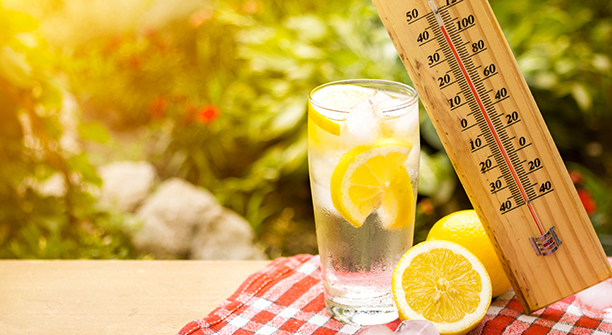
The heat is back! You're now better prepared to face the heat, but do you know why your appetite isn't so good in these conditions? And above all, what precautions should you take with regard to your diet?

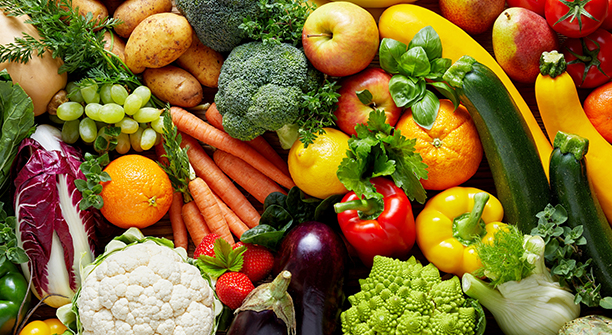
Summer is the perfect time to fill up on vitamins (A, B, C...) and minerals (magnesium, iron, zinc...). They belong to the family of micronutrients, nutrients we need in very small quantities (micrograms or milligrams) but which are nonetheless essential to our health. They must be provided by the diet, and have the advantage of being calorie-free.