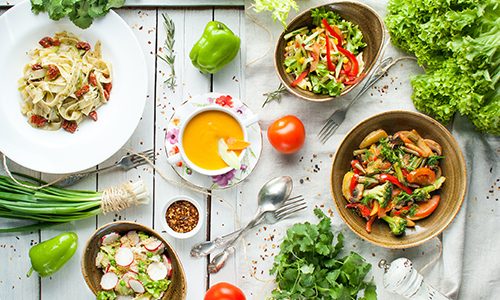
What exactly is the flexitarian diet?

separateur
visuel_vitamine_det

Flexitarian is a combination of the words "flexible" and "vegetarian."  


This is a person who eats everything, both animal and plant-based foods, but they are an informed and thoughtful consumer, as they contribute to animal welfare, health, and ecology. 


What does it consist of? 

  • Eating less meat to avoid animal overexploitation, factory farming, the disappearance of certain species, as well as cardiovascular diseases or cancers, for which red meat is primarily blamed.
  • To limit intensive agriculture and overproduction by choosing seasonal and good quality products.

We're talking more about of a dietary lifestyle more than a diet in the strict sense. Vegetarian dishes, seasonal vegetables, and grains are prioritized daily, while meats will be consumed from time to time, in smaller quantities and of better quality.


However, it is important to balance meatless meals to meet our protein needs, primarily with legumes like lentils, chickpeas, and red beans, combined with grains. This is the perfect combination. For example, rice and red beans or couscous and chickpeas. 


What about meat and fish? 

They are consumed on average once or twice a week, in appropriate quantities and of good quality. White meats and fish are preferred, red meat occasionally for its iron content, and more regularly fatty fish (trout, sardines, salmon, etc.) for its essential fatty acids.


With this wave of vegetarianism and now flexitarianism, we're finding more and more attractive vegetable and/or legume-based substitute products in stores to satisfy our taste buds. Also, very much in vogue currently, many flexitarian recipes are published online.


A good deed for the planet, what's better to feel good!

What exactly is the flexitarian diet?

visuel_vitamine_mob

Flexitarian is a combination of the words "flexible" and "vegetarian."  


This is a person who eats everything, both animal and plant-based foods, but they are an informed and thoughtful consumer, as they contribute to animal welfare, health, and ecology. 


What does it consist of? 

  • Eating less meat to avoid animal overexploitation, factory farming, the disappearance of certain species, as well as cardiovascular diseases or cancers, for which red meat is primarily blamed.
  • To limit intensive agriculture and overproduction by choosing seasonal and good quality products.

We're talking more about of a dietary lifestyle more than a diet in the strict sense. Vegetarian dishes, seasonal vegetables, and grains are prioritized daily, while meats will be consumed from time to time, in smaller quantities and of better quality.


However, it is important to balance meatless meals to meet our protein needs, primarily with legumes like lentils, chickpeas, and red beans, combined with grains. This is the perfect combination. For example, rice and red beans or couscous and chickpeas. 


What about meat and fish? 

They are consumed on average once or twice a week, in appropriate quantities and of good quality. White meats and fish are preferred, red meat occasionally for its iron content, and more regularly fatty fish (trout, sardines, salmon, etc.) for its essential fatty acids.


With this wave of vegetarianism and now flexitarianism, we're finding more and more attractive vegetable and/or legume-based substitute products in stores to satisfy our taste buds. Also, very much in vogue currently, many flexitarian recipes are published online.


A good deed for the planet, what's better to feel good!

OUR OTHERS TIPS

Who hasn't taken a trip to the harbour, for a fish auction at their vacation destination, or early in the morning to get fish fresh out of the water? Fish, shellfish and crustaceans are the stars of summer dishes.

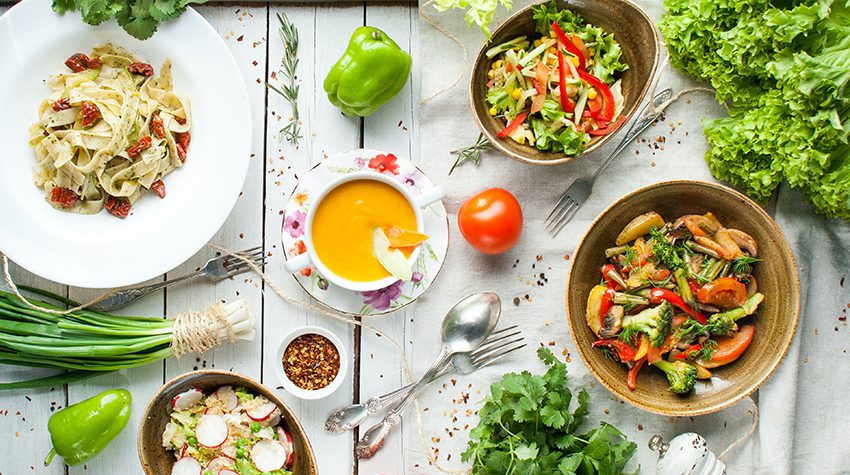
The heat is back! You're now better prepared to face the heat, but do you know why your appetite isn't so good in these conditions? And above all, what precautions should you take with regard to your diet?
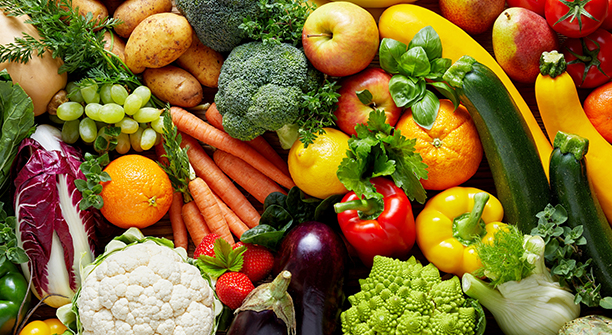
Summer is the perfect time to fill up on vitamins (A, B, C...) and minerals (magnesium, iron, zinc...). They belong to the family of micronutrients, nutrients we need in very small quantities (micrograms or milligrams) but which are nonetheless essential to our health. They must be provided by the diet, and have the advantage of being calorie-free.