

Who hasn't taken a trip to the harbour, for a fish auction at their vacation destination, or early in the morning to get fish fresh out of the water? Fish, shellfish and crustaceans are the stars of summer dishes.
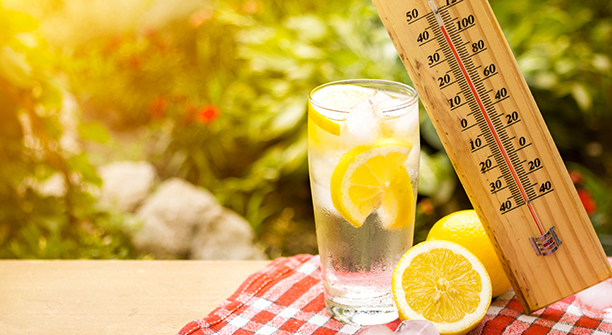
The heat is back! You're now better prepared to face the heat, but do you know why your appetite isn't so good in these conditions? And above all, what precautions should you take when it comes to your diet? Here are our explanations and recommendations!
When it's hot, you're less hungry!
This is simply because the body requires less energy. In fact, when it's hot, the body expends less energy to maintain its temperature. As a result, hunger is reduced. In winter, on the other hand, the body burns more calories to keep warm, which increases hunger.
Beware of dehydration
As you might expect, water consumption is very high. So drink water regularly, without waiting until you're thirsty, especially children and the elderly, who are more sensitive to the effects of fluids. dehydration. We recommend drinking at least 1.5 liters of water a day, i.e. 8 glasses of water spread throughout the day.
Choose water-rich foods like fruit and vegetables.
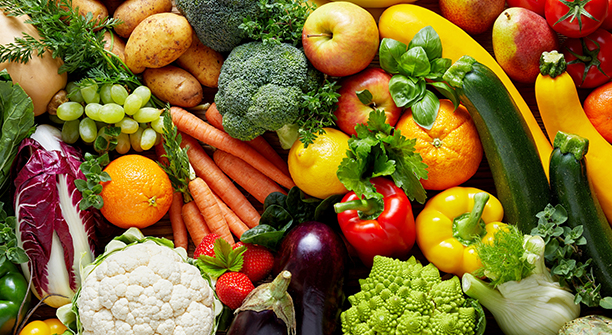
- Cucumbers, tomatoes, peppers, zucchinis and salads are particularly recommended, in mixed salads or cold soups. Easy to prepare and easy to digest.
- In-season fruits such as watermelon, melon, strawberry, grapefruit... are also highly appreciated for their high water content and low calorie content. Eat them simply by the bite, in a fruit salad or sorbet for added freshness.
Some foods are not recommended :
- Foods that are harder to digest because of their high fat content, such as fatty meats, cold meats and pastries.
- Highly diuretic foods that cause water loss, to be avoided in hot weather, such as asparagus or artichokes.
- Alcoholic beverages, which cause dehydration, should be limited, as should caffeine and sugary drinks.
Adjust the temperature of food and beverages
What could be better than a sorbet (with fewer calories than ice cream) or an iced drink when the temperatures are unbearable? The sensation of coolness is intense at the time, but short-lived. The body reacts instantly by blocking perspiration, which is useful for cooling the body. And conversely, a drink that's too hot will amplify this sweating, as your body temperature will rise, leading to greater water loss, which is not recommended in hot weather, and which is also not very pleasant in the end.
As a result, it's best to eat or drink lukewarm to avoid excessive fluctuations in body temperature.
What about food preservation?
Food can quickly deteriorate between the time of purchase and storage at home in very hot weather. That's why we recommend transporting the most fragile products, i.e. those that can't withstand a break in the cold chain, in isothermal bags. Frozen foods, of course, but also meats, especially tartars, fish and so on.
Transport must be as short as possible to avoid the proliferation of bacteria (salmonella), responsible for food poisoning.
In conclusion, hot weather is often difficult to bear, which is why it's important to be well prepared. You'll tend to reduce your physical activity and change your eating habits, which is highly recommended if you want to make the most of heatwaves.



 English
  French