Who hasn't taken a trip to the harbour, for a fish auction at their vacation destination, or early in the morning to get fish fresh out of the water? Fish, shellfish and crustaceans are the stars of summer dishes.
Storing, preparing, everything you need to know about pulses!
Legumes have many benefits for your health and weight loss due to their richness in fiber and plant-based proteins.
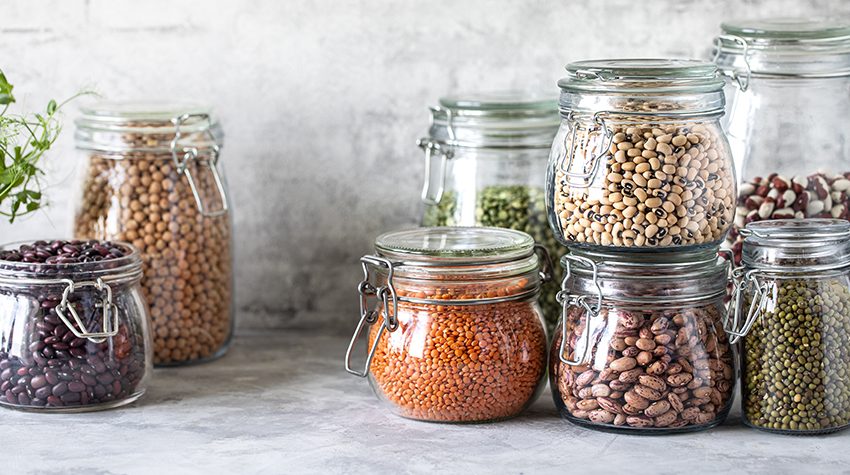
Practical and economical, you'll find them in all sorts of varieties on your supermarket shelves. They are easy-to-store foods to keep in your pantry and essential to include in your meals.
Rediscover the whole legume family:
- lentils
- white beans
- kidney beans
- flageolets
- Broken peas
- chickpeas
- beans
- mung beans
- soybeans
Preservation methods
They are found in several forms: dried for cooking, canned, or frozen. To help you make your choice, here are the advantages and disadvantages of each.
– Sec
If you opt for dried legumes, be aware that some dried vegetables require soaking before cooking. This helps to soften them and make them more digestible, but for it to be effective, you must leave the dried vegetables in a container filled with water in a cool place overnight. So you'll need to plan ahead! This is the case for chickpeas, red beans, white beans, and fava beans. On the other hand, for green and red lentils, you simply need to rinse them well before cooking to remove impurities.
Appetizer
What does this mean? Appertization is a method of preservation where food is sterilized and then placed in a sealed container. This includes dried vegetables in metal cans or glass jars. These are the most consumed, practical, and quickest to prepare; without soaking, they are ready to eat. On the other hand, this process leads to a loss of vitamins and a slight alteration of taste.
Frozen foods
Also pre-cooked, they require no tedious preparation. Furthermore, this preservation method retains the nutritional qualities of dried vegetables, so there will be no loss of vitamins and minerals. The choice of frozen foods will be a matter of taste.
Our advice: Canned, jarred, or frozen, choose plain dried vegetables, meaning uncooked and unprepared, as they often contain excess salt and fat.
Diversify your sources
Regular consumption of dried vegetables (once or twice a week) is recommended for a good dietary balance. While they provide the same number of calories, they do not all offer the same nutritional benefits. That's why it's advisable to vary your sources and your menus by consuming them cold or hot, as a starter, main course, or side dish, whole, puréed, or as a creamy soup.
Here are some examples of how to use dried vegetables in everyday life and their main benefits:
- Green or red lentils: these are the easiest legumes to digest and an excellent source of iron.
- Beans (white or red): They are rich in protein (25%) and calcium.
- Split peas: often consumed as a puree or soup, they are also rich in protein.
- Chickpeas: easy to cook and pair with other foods in salads, purees, spreads (hummus)... Very rich in fiber, they are more filling than other starches.
- Fava beans: sources of fiber, iron, and magnesium, they will be perfect for adding to your salads.
Legumes, not always easy to digest
Due to their richness in fiber, they have many benefits for our health, but some people may have difficulty digesting them and therefore avoid them. They cause bloating, flatulence, or diarrhea.
To help you make peace with dried vegetables, we offer a few tips to make them more digestible:
- Soak them in a container filled with water overnight. Please note that this applies only to chickpeas, red beans, white beans, and fava beans, but will not be effective on lentils and split peas.
- Start cooking dried vegetables in cold, unsalted water because salt hardens the skin and does not aid digestion.
- Perform a two-stage cooking process by first heating water to a boil and then, off the heat, adding your dried vegetables and letting them blanch (pre-cook) for 10 minutes. Then, start the cooking.
- Add fennel seeds, bay leaf, or baking soda to the cooking water.
- For very sensitive individuals, we recommend limiting your consumption to twice a week, gradually incorporating legumes into your diet and pairing them with grains.
These little tips will help tenderize the fibers and increase the carminative effect, which will limit bloating and gas.

Focus on fiber, for quick and easy weight loss!
Legumes have many benefits for your health and weight loss due to their richness in fiber and plant-based proteins.
Practical and economical, you'll find them in all sorts of varieties on your supermarket shelves. They are easy-to-store foods to keep in your pantry and essential to include in your meals.
Rediscover the whole legume family:
- lentils
- white beans
- kidney beans
- flageolets
- Broken peas
- chickpeas
- beans
- mung beans
- soybeans
Preservation methods
They are found in several forms: dried for cooking, canned, or frozen. To help you make your choice, here are the advantages and disadvantages of each.
– Sec
If you opt for dried legumes, be aware that some dried vegetables require soaking before cooking. This helps to soften them and make them more digestible, but for it to be effective, you must leave the dried vegetables in a container filled with water in a cool place overnight. So you'll need to plan ahead! This is the case for chickpeas, red beans, white beans, and fava beans. On the other hand, for green and red lentils, you simply need to rinse them well before cooking to remove impurities.
Appetizer
What does this mean? Appertization is a method of preservation where food is sterilized and then placed in a sealed container. This includes dried vegetables in metal cans or glass jars. These are the most consumed, practical, and quickest to prepare; without soaking, they are ready to eat. On the other hand, this process leads to a loss of vitamins and a slight alteration of taste.
Frozen foods
Also pre-cooked, they require no tedious preparation. Furthermore, this preservation method retains the nutritional qualities of dried vegetables, so there will be no loss of vitamins and minerals. The choice of frozen foods will be a matter of taste.
Our advice: Canned, jarred, or frozen, choose plain dried vegetables, meaning uncooked and unprepared, as they often contain excess salt and fat.
Diversify your sources
Regular consumption of dried vegetables (once or twice a week) is recommended for a good dietary balance. While they provide the same number of calories, they do not all offer the same nutritional benefits. That's why it's advisable to vary your sources and your menus by consuming them cold or hot, as a starter, main course, or side dish, whole, puréed, or as a creamy soup.
Here are some examples of how to use dried vegetables in everyday life and their main benefits:
- Green or red lentils: these are the easiest legumes to digest and an excellent source of iron.
- Beans (white or red): They are rich in protein (25%) and calcium.
- Split peas: often consumed as a puree or soup, they are also rich in protein.
- Chickpeas: easy to cook and pair with other foods in salads, purees, spreads (hummus)... Very rich in fiber, they are more filling than other starches.
- Fava beans: sources of fiber, iron, and magnesium, they will be perfect for adding to your salads.
Legumes, not always easy to digest
Due to their richness in fiber, they have many benefits for our health, but some people may have difficulty digesting them and therefore avoid them. They cause bloating, flatulence, or diarrhea.
To help you make peace with dried vegetables, we offer a few tips to make them more digestible:
- Soak them in a container filled with water overnight. Please note that this applies only to chickpeas, red beans, white beans, and fava beans, but will not be effective on lentils and split peas.
- Start cooking dried vegetables in cold, unsalted water because salt hardens the skin and does not aid digestion.
- Perform a two-stage cooking process by first heating water to a boil and then, off the heat, adding your dried vegetables and letting them blanch (pre-cook) for 10 minutes. Then, start the cooking.
- Add fennel seeds, bay leaf, or baking soda to the cooking water.
- For very sensitive individuals, we recommend limiting your consumption to twice a week, gradually incorporating legumes into your diet and pairing them with grains.
These small tips will help tenderize the fibers and increase the carminative effect, which will limit bloating and gas..
OUR OTHERS TIPS
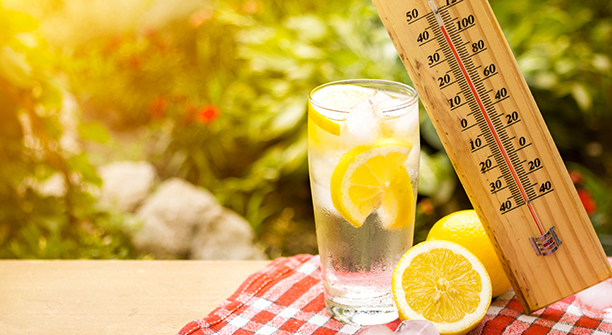
The heat is back! You're now better prepared to face the heat, but do you know why your appetite isn't so good in these conditions? And above all, what precautions should you take with regard to your diet?
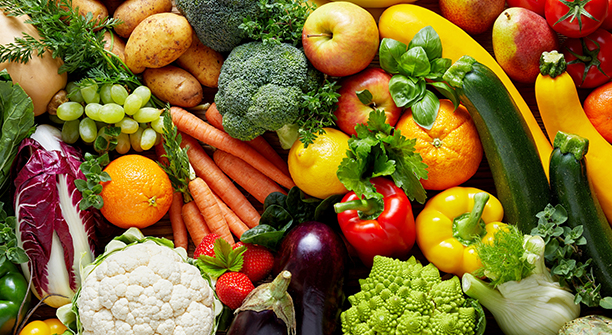
Summer is the perfect time to fill up on vitamins (A, B, C...) and minerals (magnesium, iron, zinc...). They belong to the family of micronutrients, nutrients we need in very small quantities (micrograms or milligrams) but which are nonetheless essential to our health. They must be provided by the diet, and have the advantage of being calorie-free.